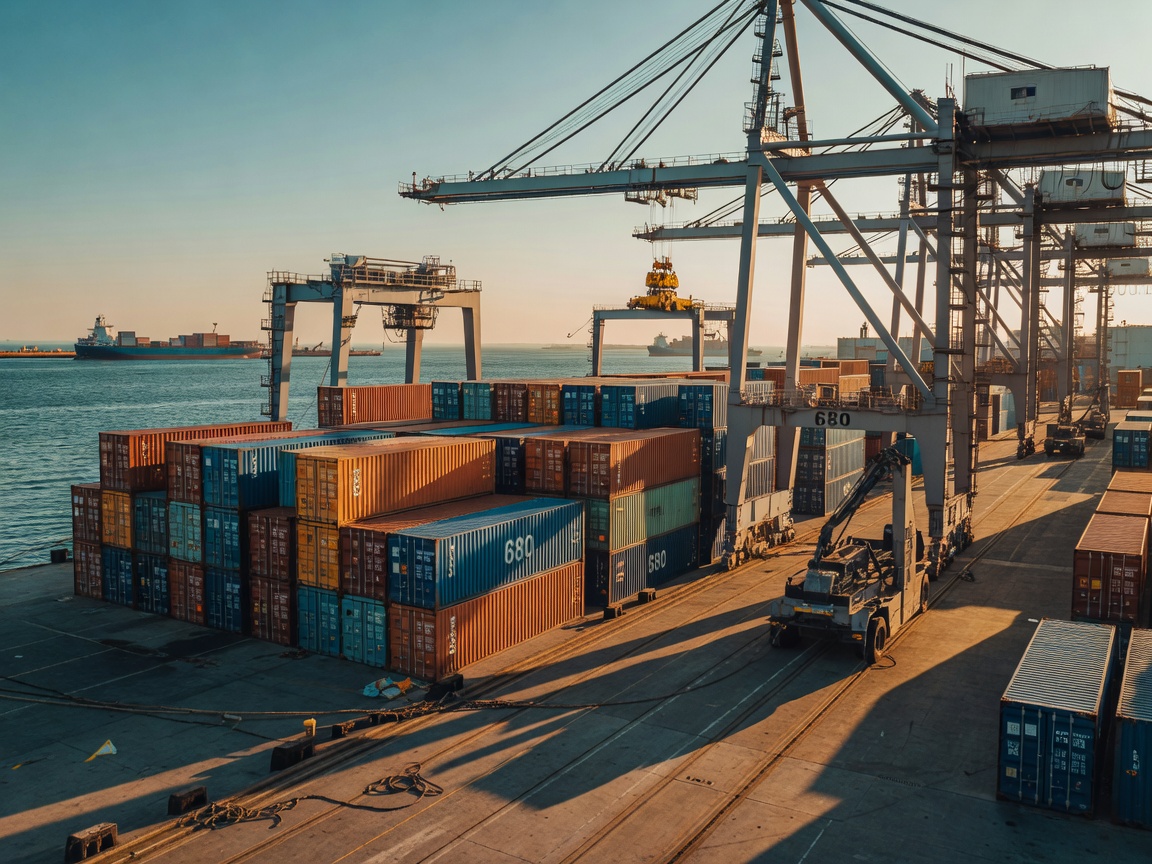
Cargo handling is a chain of controlled moves. A suitable plan links cargo description, packaging, equipment, storage and onward transport. A cargo label alone is not enough. Dimensions, weight, centre of gravity, lifting points, sensitivity, hazard information where applicable and delivery sequence can all affect what a terminal can accept and how it can be moved.
Classify the movement, not just the goods
Containerized cargo travels in a unit designed for intermodal movement, but planners still need unit identity, gross mass information, condition, seal details where relevant and a clear release path. General cargo may arrive as individual pieces, bundles or units that need separate identification. Palletized goods are efficient to move when pallet condition, load stability and forklift access are suitable. Project cargo can be oversized, heavy or unusually shaped and often needs early engineering review.
Temporary storage may bridge a mismatch between arrival and onward collection. Its value depends on suitable surface, protection, security, access and maximum permitted dwell. Storage should not be assumed to be included in a handling arrangement. Confirm the location, responsibility, conditions and release process before cargo enters the port flow.
Equipment and handling requirements
Equipment selection follows the cargo’s physical characteristics and the terminal’s available systems. Container lifts, forklift handling, crane lifts, trailers and specialist rigging are not interchangeable. Safe handling depends on verified weights, dimensions, lifting points, packaging strength and a defined method. Where cargo is irregular or heavy, competent parties should prepare and approve the required lift and transport arrangements. This guide is educational; it is not a lifting instruction.
Packaging protects goods and supports the handling method. It should tolerate expected transfers, restraint and environmental exposure. Vulnerable surfaces, protrusions, moisture sensitivity and fragile components should be identified before arrival. Marking should remain legible through the movement. Clear handling symbols and instructions support coordination but do not replace formal cargo data or operator review.
Timing, transfer and sequence
Timing connects vessel, terminal, storage and inland resources. A cargo can be ready physically but not released in the records. Conversely, documents may be available while packaging, permits, vehicle capacity or receiving arrangements are not ready. Build a readiness checklist for each party and identify dependencies. Use confirmed windows where available; distinguish them from estimates. Allow contingency for inspections, rehandling, weather exposure or schedule changes without presenting a guessed duration as a guarantee.
Transfer planning should minimise unnecessary moves. The intended next mode influences cargo placement and retrieval order. A unit expected to leave by rail, for example, may need an agreed rail interface and documentation sequence; a road collection may require a vehicle compatible with the cargo configuration and site access. Consolidation can reduce fragmented handling, while direct transfer can reduce storage, if the timing and equipment align.
Documentation and damage prevention
Consistent identifiers connect cargo lists, transport documents, labels and handover records. Include quantities and units in a way that avoids ambiguity. Record pre-existing damage or packaging condition at receipt using an agreed process. Maintain clear exceptions: shortage, visible damage, seal discrepancy, wet packaging or count mismatch should be reported to the responsible party promptly. Preserve photos and records only where permitted and handled securely.
Damage prevention starts before the quay. Confirm packaging suitability, load stability, securing requirements and environmental limits. Establish who inspects, who can authorise rework and how cargo is segregated if a discrepancy appears. A clear incident route can reduce delay and prevent a condition issue from being hidden by later handling.
Cost factors and trade-offs
No single rate can be inferred from cargo category. Cost can be affected by unit count, dimensions, weight, lift complexity, handling equipment, labour, storage duration, special protection, documentation, transfer count and inland distance. Waiting time, rescheduling or additional handling may also affect the total arrangement. Request itemised scope from the responsible providers and check which party covers each interface.
Direct transfer can lower storage exposure but relies on tight coordination. Temporary storage offers a buffer but adds space, handling and record requirements. A specialised facility may better fit unusual cargo, while a general facility may be suitable for routine pieces. Compare the complete operational fit rather than selecting by a single cost line.
Cargo readiness checklist
- Provide a precise description, count, dimensions, weight and marks.
- State packaging, lifting points, environmental sensitivity and handling limits.
- Confirm terminal acceptance and suitable equipment before dispatch.
- Align storage conditions, dwell assumptions and release authority.
- Match onward vehicle or rail interface to cargo configuration.
- Agree discrepancy reporting, condition records and document versions.
Key considerations
Cargo characteristics drive the plan. Accurate data reduces uncertainty; suitable packaging supports safe handling; and clear custody records protect the transfer. Treat storage as an active operation with conditions and responsibility. Confirm current facility scope, costs and timing directly. Do not assume that a cargo category guarantees a particular handling capability.