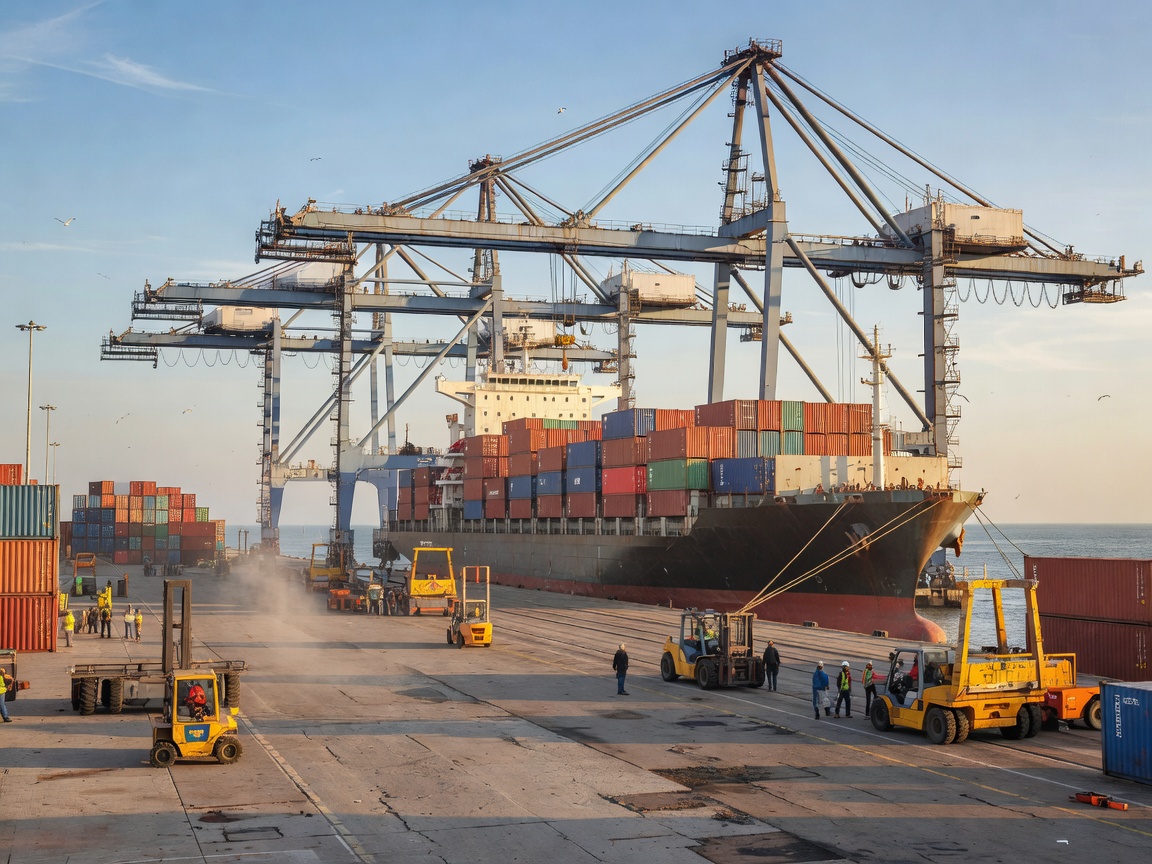
Terminal coordination connects a vessel or arriving vehicle to the next cargo movement. The work can include receiving instructions, identifying cargo, allocating a handling sequence, recording custody changes and directing cargo to a suitable onward interface. Services differ by facility and contract. This guide describes common operational categories; it does not assign capabilities to a named terminal.
Terminal functions and handovers
A terminal may coordinate cargo arrival, temporary positioning, loading or discharge, internal movement, storage and release. Responsibilities are split among cargo interests, carriers, terminal operators, agents, hauliers and authorities. The exact allocation should be clear before movement begins. A handover point is not only a physical location. It also includes the information and documentation needed to identify cargo, authorise release and record the next party’s custody.
Good planning establishes one working reference for cargo identity, quantity units, marks, dimensions, handling limits and exceptions. Instructions should identify who can amend a plan and how changes are communicated. Ambiguous cargo descriptions or conflicting versions can lead to avoidable waiting, rehandling or safety issues.
Reception, gate and yard
Reception normally checks an expected movement against available records. Depending on the operation, this can involve a booking reference, transport document, cargo marks, vehicle details, condition notes or release authority. A gate process may control entry, weigh or identify a vehicle, check credentials and direct it to a holding or service point. Specific systems and document rules vary by site. Confirm them before dispatch.
The yard or storage area provides a controlled interface between arrival and onward movement. Placement should consider cargo type, access sequence, protection needs, segregation requirements and likely dwell. A location that is convenient for initial receipt may not suit a later lift. Planning should avoid unnecessary moves while preserving safe access and clear inventory records.
Loading, unloading and equipment interfaces
Handling method follows cargo characteristics and terminal capability. A container may use a container handling system; general cargo may need slings, forks or other suitable attachments; bulk cargo may use a dedicated transfer arrangement; and project cargo may require engineered lift planning. These are broad examples. Equipment suitability, lifting plans, exclusion zones and operator competence are matters for the responsible parties.
Terminal coordination aligns the handling window with vessel readiness, cargo readiness, labour and equipment, documentation status and onward transport. A planned sequence can reduce conflicts between quay, yard and gate. It cannot remove uncertainty caused by weather, equipment interruption, late cargo or changed vessel conditions. Build a clear notification and escalation path.
Different terminal types
Container terminals organise units around identification, stacking, lift sequence and gate or rail interchange. General cargo terminals handle varied pieces and may require cargo-specific securing, stowage or storage plans. Bulk facilities are designed around loose commodities and transfer systems, with containment and environmental controls relevant to the operation. Ro-Ro operations use wheeled cargo movement across a ramp or comparable interface; vehicle status, lane control and driver procedures matter. Project cargo handling is planned around dimensions, weight, lifting points, transport configuration and route constraints.
These categories overlap in some locations, but no category guarantees that a particular cargo can be accepted. Verify facility scope, equipment, permits, restrictions and service booking directly.
Documentation and scheduling
Useful operational records link cargo identifiers to instructions, status, condition and custody. Documents may include transport records, packing details, release authorisations and cargo-specific declarations, depending on the transaction. Keep a consistent identifier across lists, labels and communications. Record deviations promptly and preserve a clear audit trail. Avoid sending sensitive personal or commercial information through unsecured channels.
Scheduling should use confirmed windows, dependencies and a named contact route. Separate estimated timing from a confirmed appointment. Identify cut-offs, document deadlines, vessel or vehicle dependencies, and the time needed to arrange onward transport. If an input changes, update affected parties rather than relying on an old sequence.
Pre-operation checklist
- Confirm facility scope, cargo acceptance and required booking references.
- Provide cargo dimensions, weight, marks, packaging and handling constraints.
- Agree the physical handover point and responsibility for each step.
- Check storage conditions, access sequence and intended dwell.
- Align gate, equipment, cargo readiness and onward collection windows.
- Set a change-notification route and retain current document versions.
Key considerations
Terminal performance depends on compatible information, safe equipment interfaces and realistic timing. Compare facilities by cargo fit, handover complexity, storage conditions, access and onward links—not by assumptions based on a terminal label. Confirm current operating rules and availability with the relevant parties.