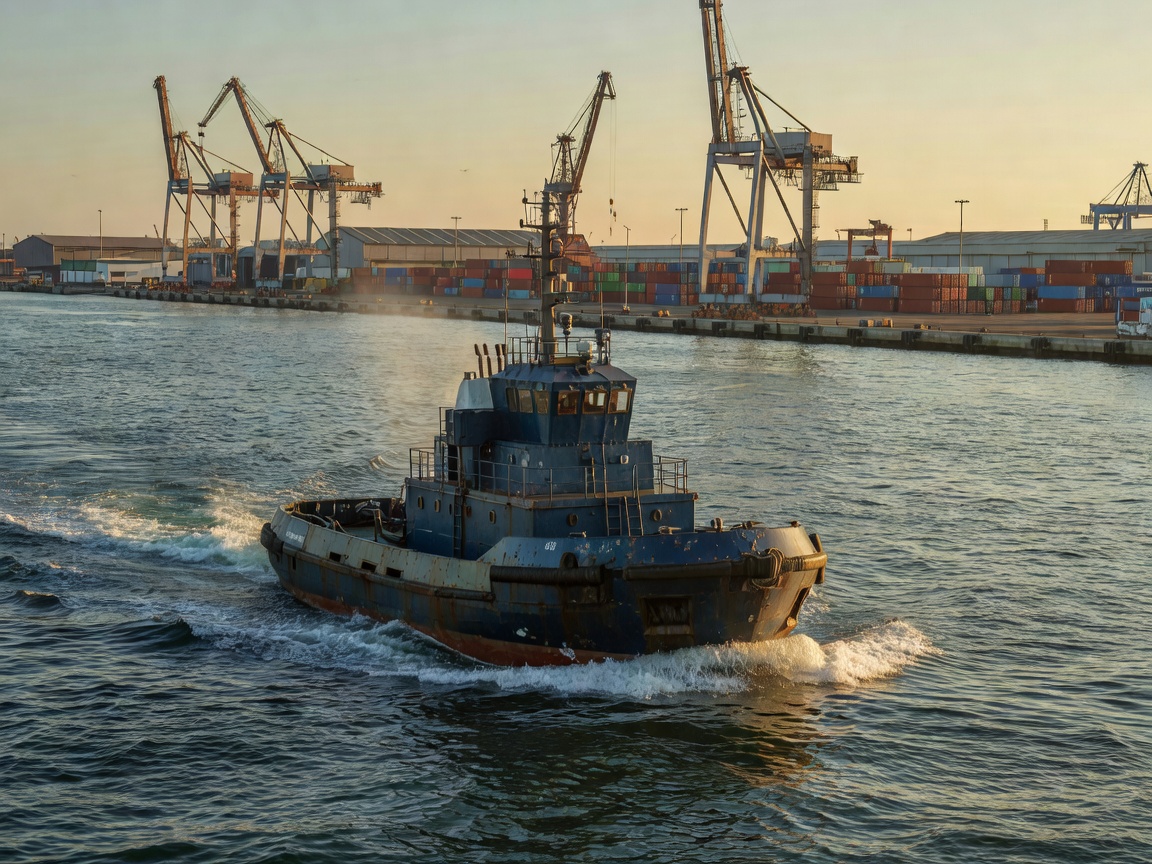
A port call links a vessel’s arrival and departure with cargo work, terminal resources, service providers and required records. Preparation is a coordination task. It depends on accurate inputs and on the responsible parties confirming local procedures. General planning concepts can help identify missing information, but they cannot establish berth availability or replace instructions from the vessel’s master, agent, port authority or terminal operator.
Build the port-call file
Start with the intended port and terminal interface, vessel particulars supplied through the proper channel, estimated arrival information and the planned operation. Add cargo readiness, handling requirements, expected sequence, documentation status and named contacts. Identify which information is preliminary and which is approved. Keep one controlled version of the call file and record updates with time and source.
Port-call preparation may involve vessel interests, the appointed agent, terminal teams, cargo parties and service providers. Responsibility depends on the arrangement. Clarify who submits documents, who communicates changes, who confirms requirements and who has authority to make operational decisions. Do not assume that one party can confirm another party’s service or resource.
Arrival coordination and berth-planning concepts
Arrival coordination is a shared information process. Parties may exchange estimated times, vessel particulars, cargo readiness and operational constraints. An estimate is not a confirmed arrival slot. Berth planning is influenced by local rules, vessel characteristics, berth configuration, traffic, weather and resource demand. Only the responsible local parties can assess a specific call and confirm arrangements. This website contains no live berth plan.
Good preparation makes constraints visible early. Flag changes to arrival estimates, cargo sequence, vessel condition or documentation through the agreed communication route. Use concise, timestamped messages. Include the affected reference and requested action. Avoid sending unverified assumptions as confirmed facts.
Cargo readiness and work sequence
Cargo readiness includes more than physical presence. Cargo may need to be identified, documented, released, packaged, positioned or presented in a sequence compatible with the planned operation. Loading and discharge plans should align with terminal equipment, cargo characteristics and the next transport stage. The responsible operator must assess safety, stowage, lifting and other technical requirements.
Turnaround planning connects the anticipated work sequence to the resources and records needed to close the call. Define start conditions, handover points, exception handling and the method for confirming completion. If an operation changes, update the relevant parties and assess the effect on cargo, berth, gate and inland interfaces. A plan should include contingencies without pretending that delays can be eliminated.
Documentation and communication discipline
Document requirements vary with vessel, cargo, port, route and applicable rules. A planning file may contain vessel details, cargo lists, transport documents, authorisations and records of operational changes. Use the current versions and confirm submission channels and deadlines directly. Protect commercially sensitive data and personal information. Do not rely on a forwarded file without checking its status.
Communication should be specific and role-based. Keep operational updates separate from requests for commercial approval. Use agreed channels, identify the sender and recipient, and acknowledge critical changes. Establish an escalation contact for time-sensitive issues. For safety matters or vessel-specific procedures, follow the competent authority and vessel command; this reference does not provide technical instructions.
Departure preparation and closeout
Departure readiness usually depends on completion of planned work, closure of required records, confirmation of relevant clearances and coordination with the responsible parties. The applicable sequence is local and call-specific. Confirm the status through authorised channels. Avoid treating an internal target time as permission to depart or as a confirmed movement instruction.
After the call, reconcile cargo and transfer records, note exceptions, close outstanding document actions and capture lessons for the next movement. A short closeout record improves continuity between planning, terminal work and inland collection. Retain records according to applicable contracts and retention requirements.
Port-call preparation checklist
- Identify the call, terminal interface, parties and decision responsibilities.
- Mark estimated versus confirmed information and track revisions.
- Confirm vessel particulars, cargo readiness and document requirements.
- Agree operational communication and escalation channels.
- Check that cargo sequence, handling constraints and onward transfers align.
- Confirm completion and departure status through authorised local contacts.
Key considerations
Preparation improves coordination; it does not guarantee a berth, schedule or turnaround. Keep decisions with the authorised parties. Treat vessel-specific operational directions as outside the scope of this general guide. Confirm current local instructions close to the call and communicate changes promptly.